
25 Colombian Foods You Need to Try at Least Once
Colombia is one of the most biodiverse countries in the world, and that richness is reflected in its cuisine. From hearty mountain dishes and Caribbean seafood to exotic tropical fruits found nowhere else, Colombian food is an adventure in itself.
Trying traditional dishes is more than just satisfying your appetite—it's one of the best ways to connect with local culture, practice Spanish, and experience authentic Colombia.
Whether you're backpacking through South America, studying Spanish, or simply planning your next trip, these are the Colombian foods you absolutely need to try at least once.
Why Colombian Food Is So Diverse
One of the reasons Colombian cuisine is so unique is its geographical diversity. The country has:
Caribbean coastlines
Andean mountains
Amazon rainforest
Pacific jungles
Vast plains (Los Llanos)
Each region has developed its own flavors, ingredients, and culinary traditions.
Traditional Colombian Dishes
1. Bandeja Paisa (Antioquia)
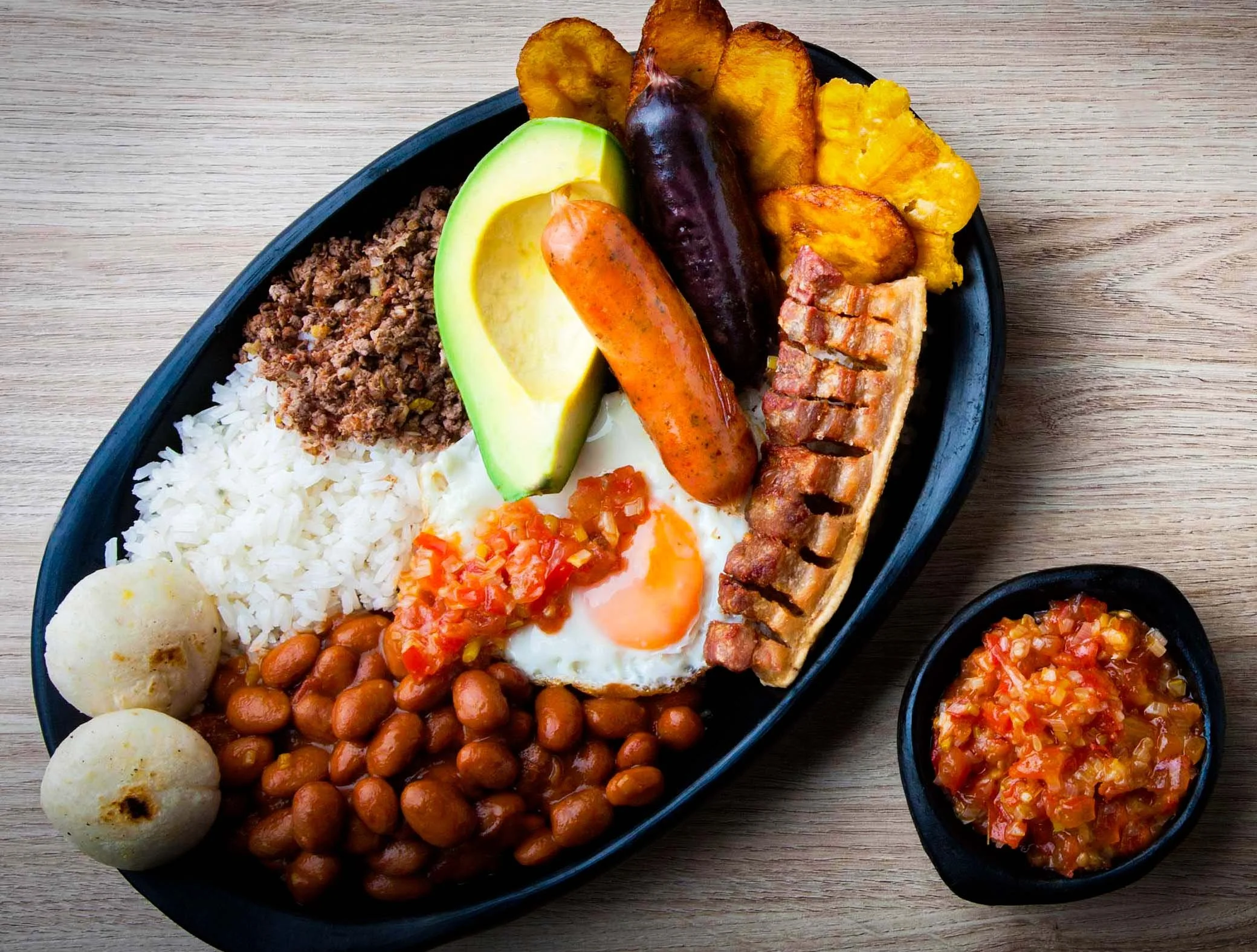
Perhaps Colombia's most iconic dish.
Ingredients:
Beans
White rice
Ground beef
Chicharrón (fried pork belly)
Fried egg
Avocado
Sweet plantain
Chorizo
Arepa
Where to try it: Medellín and Antioquia.
2. Ajiaco (Bogotá)
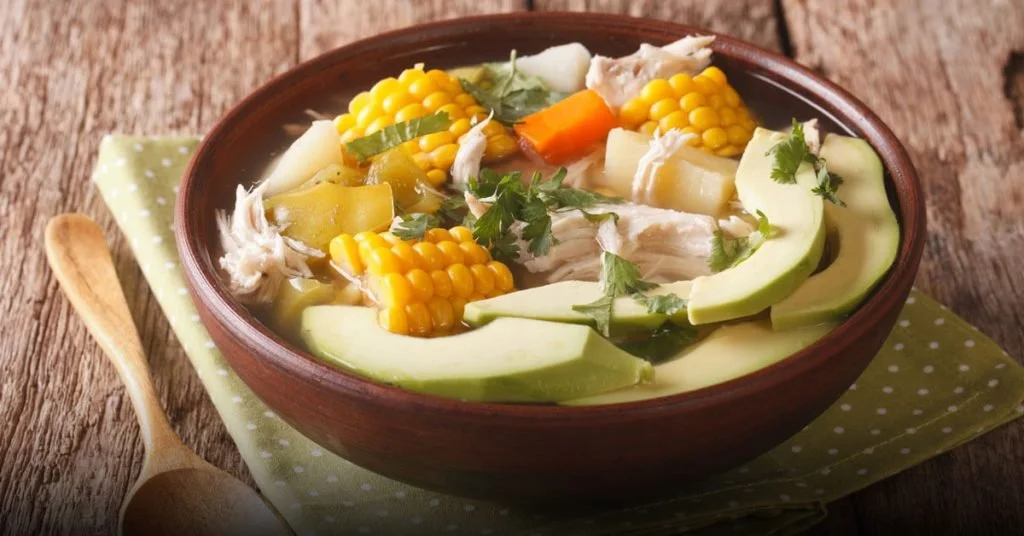
A comforting chicken and potato soup prepared with three different types of potatoes and guasca herbs.
Served with:
Capers
Cream
Avocado
Rice
3. Sancocho
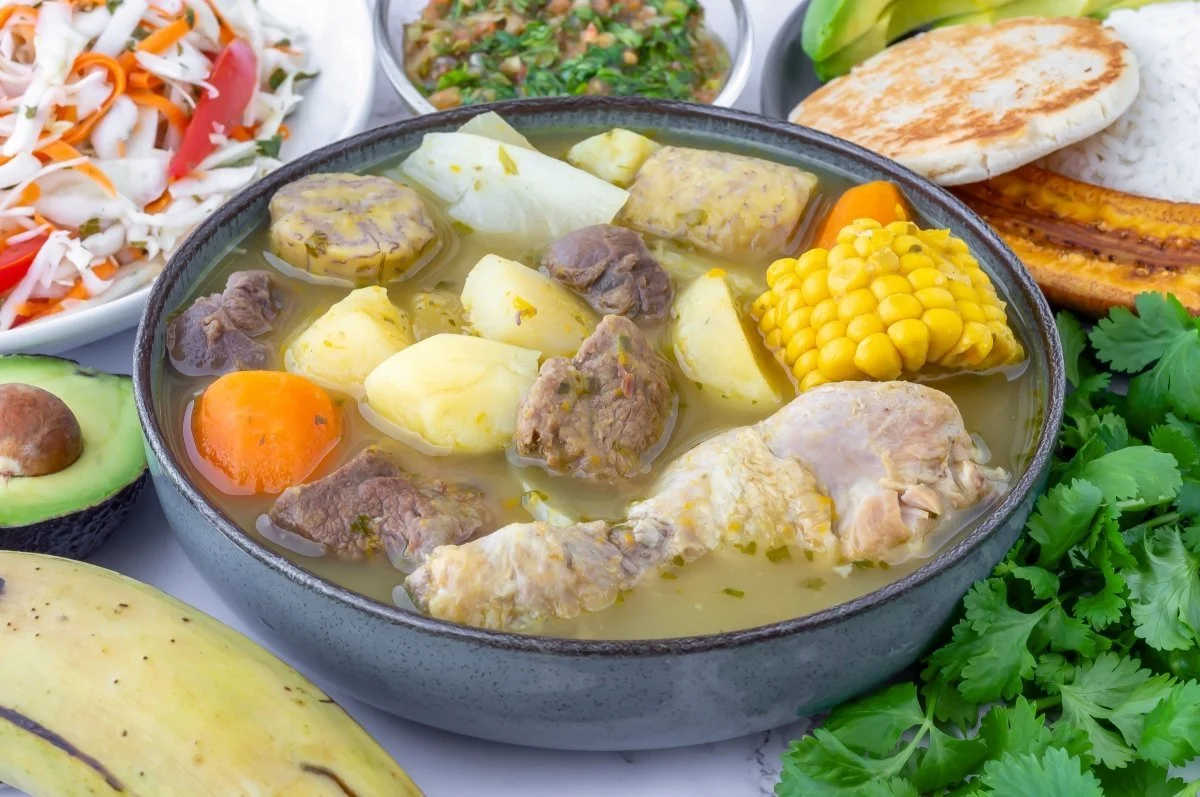
A hearty soup enjoyed throughout Colombia.
Depending on the region, it may contain:
Chicken
Beef
Fish
Plantain
Cassava
Corn
4. Arepas
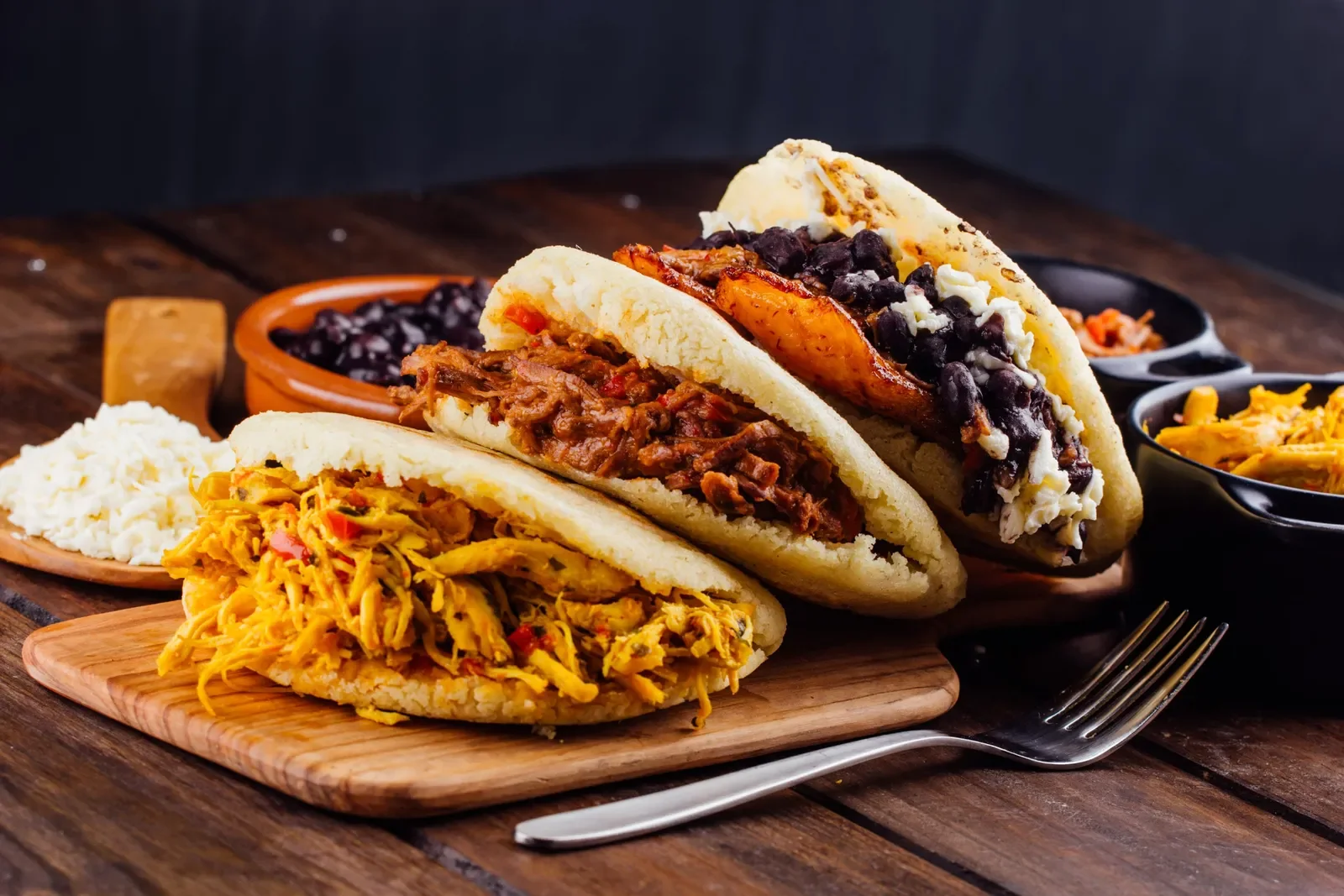
Colombia's beloved corn cakes.
Popular varieties include:
Arepa de choclo
Arepa antioqueña
Arepa de huevo
5. Lechona (Tolima)
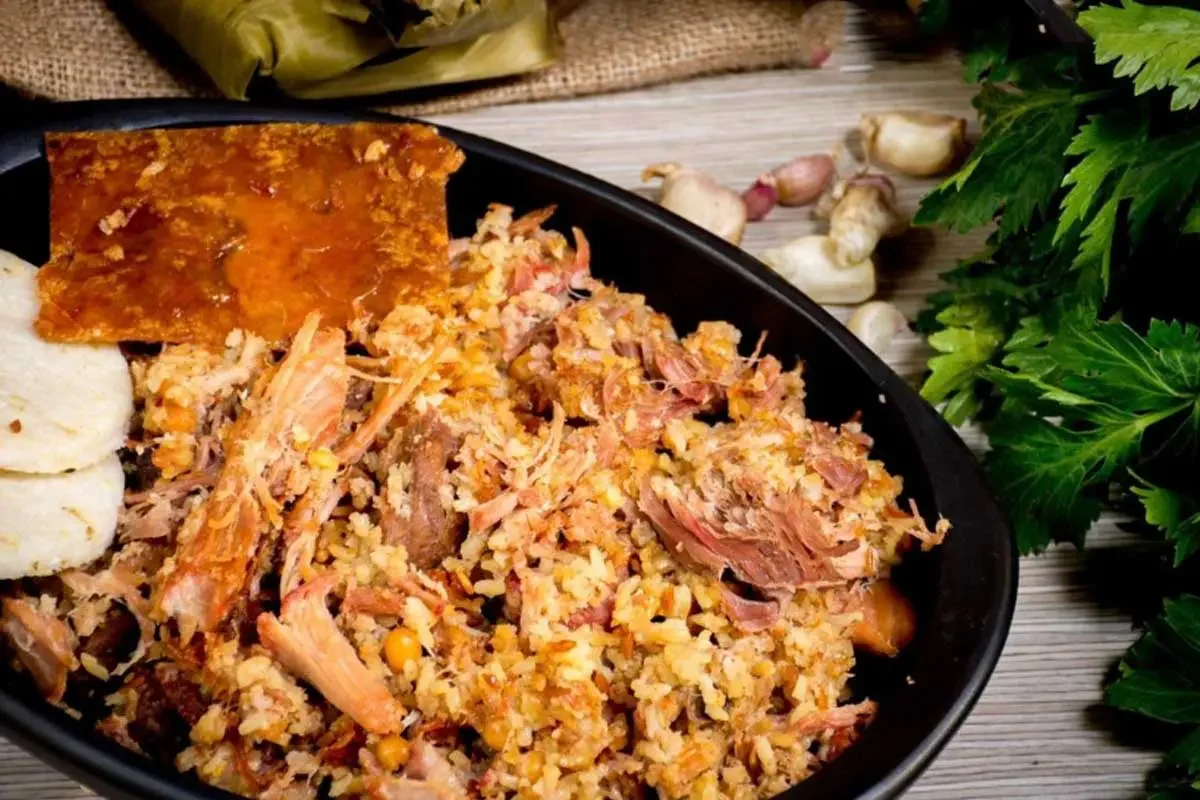
Rice and peas stuffed inside slow-roasted pork.
A true celebration dish.
6. Tamales Colombianos
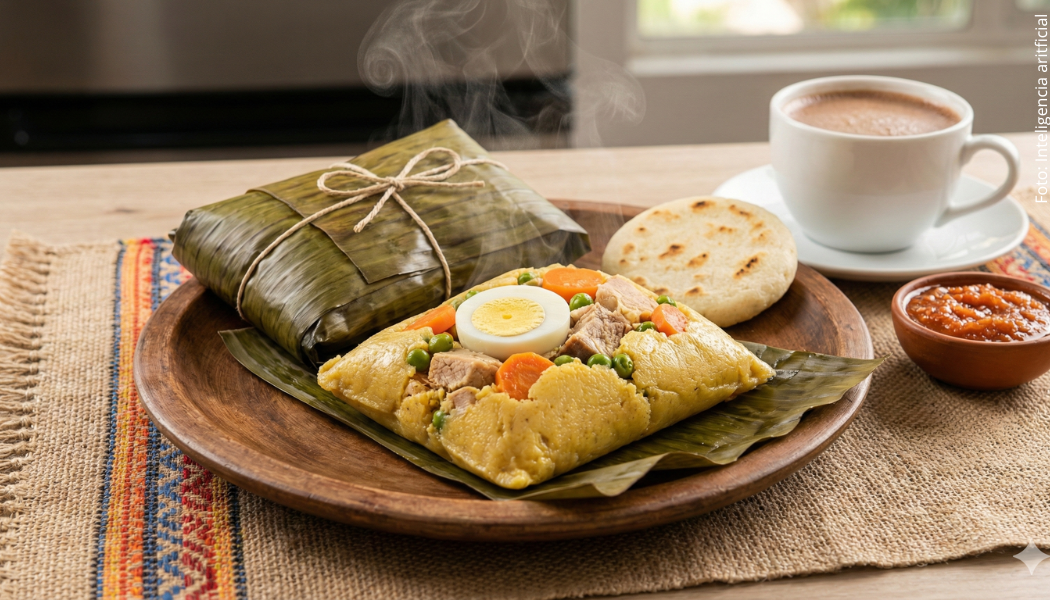
Corn dough filled with meat and vegetables, wrapped in banana leaves.
Often eaten for breakfast.
7. Empanadas
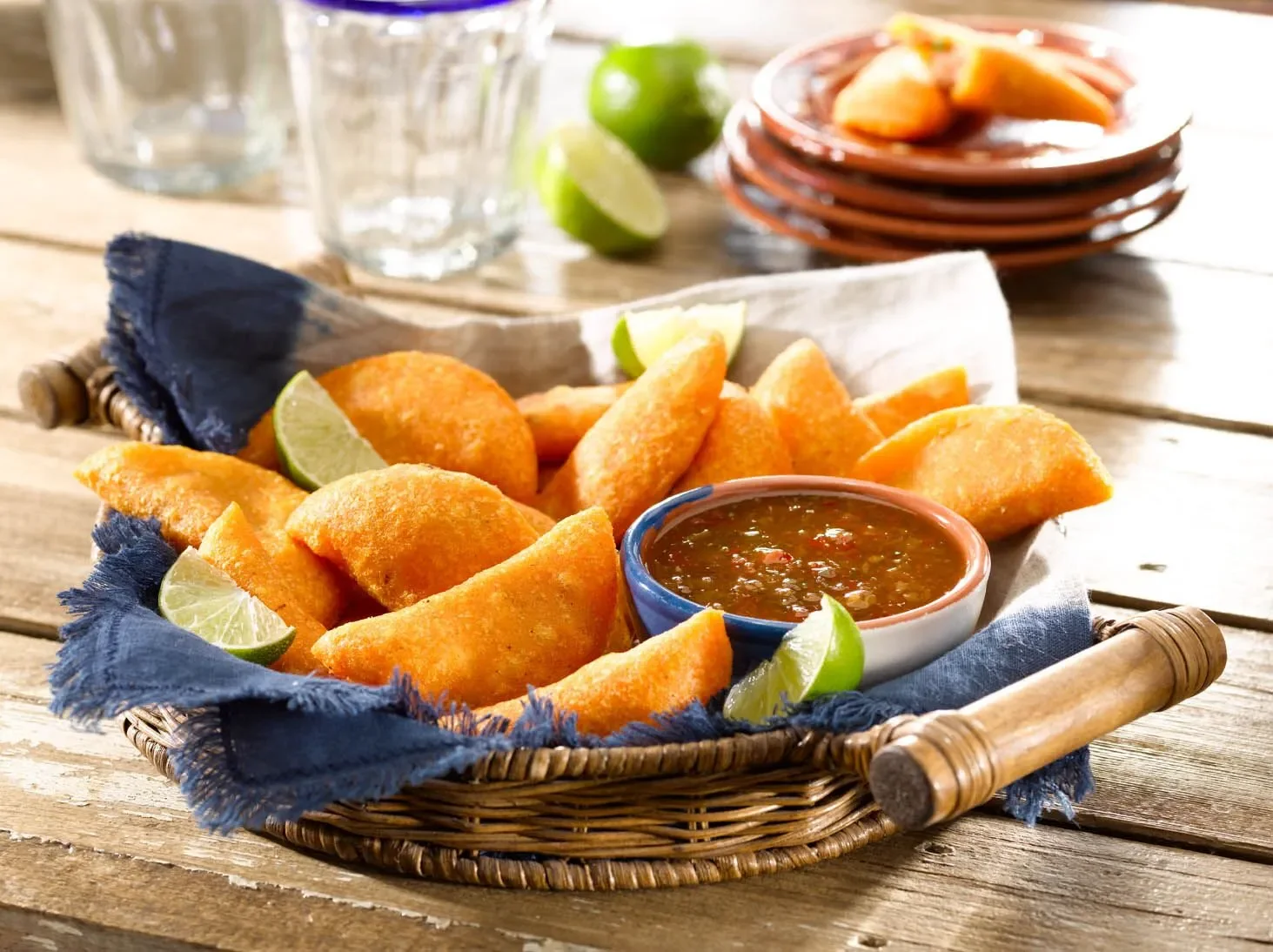
One of Colombia's most popular street foods.
Filled with:
Meat
Potato
Chicken
Usually served with spicy ají sauce.
8. Changua
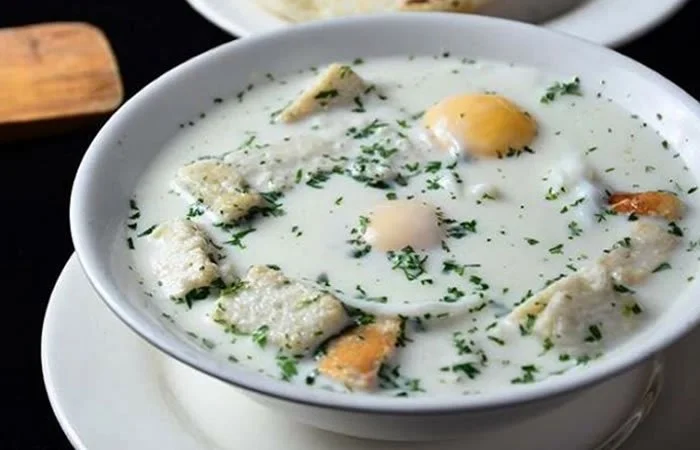
A traditional breakfast soup made with milk, eggs, and bread.
Common in the Andean region.
9. Mondongo
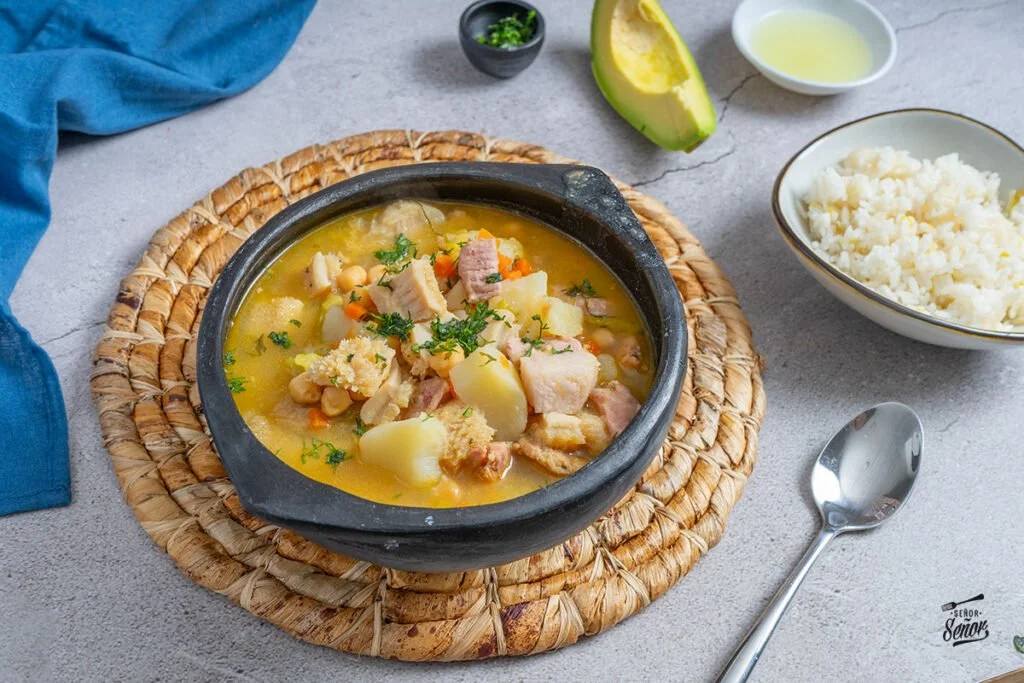
A rich tripe soup with vegetables and spices.
Loved by locals.
10. Frijoles Antioqueños
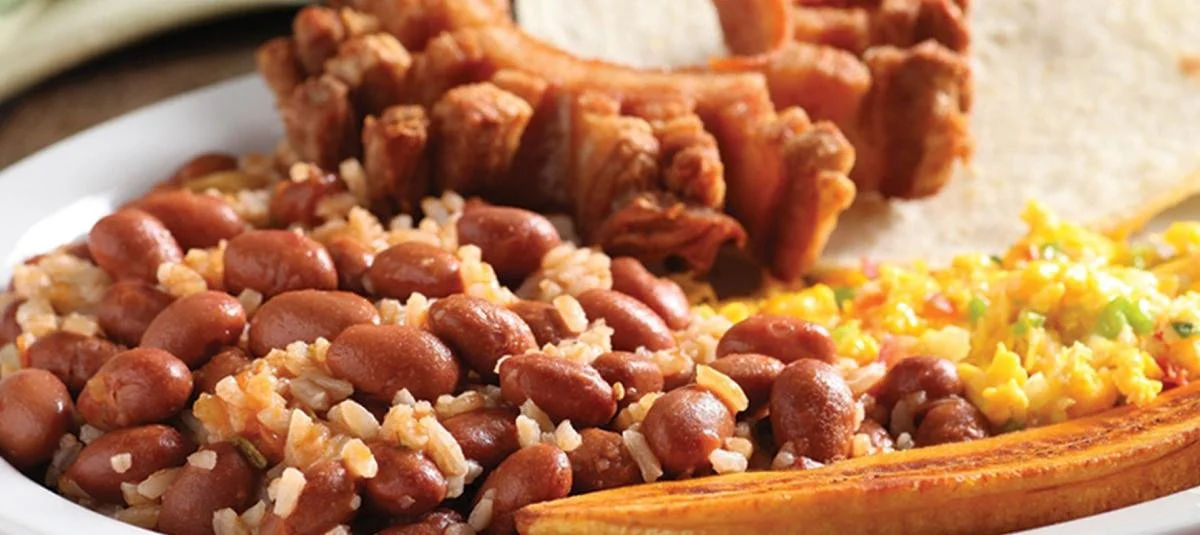
A staple dish in Antioquia.
Slow-cooked beans often served with rice and avocado.
Colombian Street Food You Must Try
11. Buñuelos
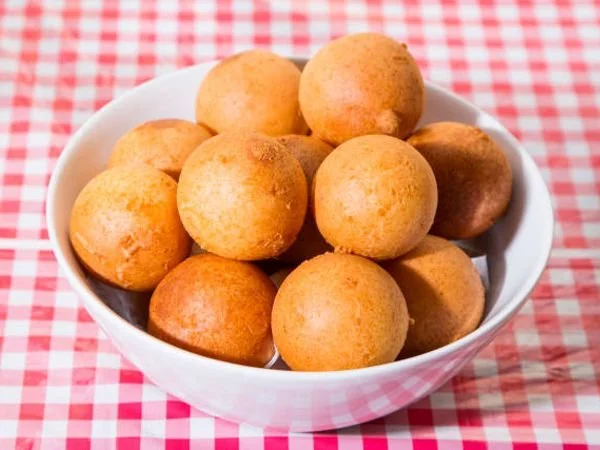
Cheese fritters traditionally eaten during Christmas.
12. Pandebono

Cheese bread from Valle del Cauca.
Perfect with Colombian coffee.
13. Almojábanas
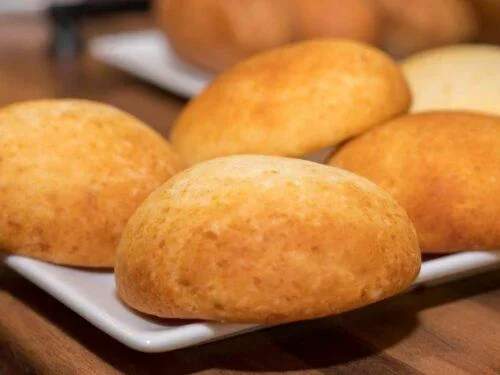
Soft cheese bread enjoyed across the country.
14. Papa Rellena
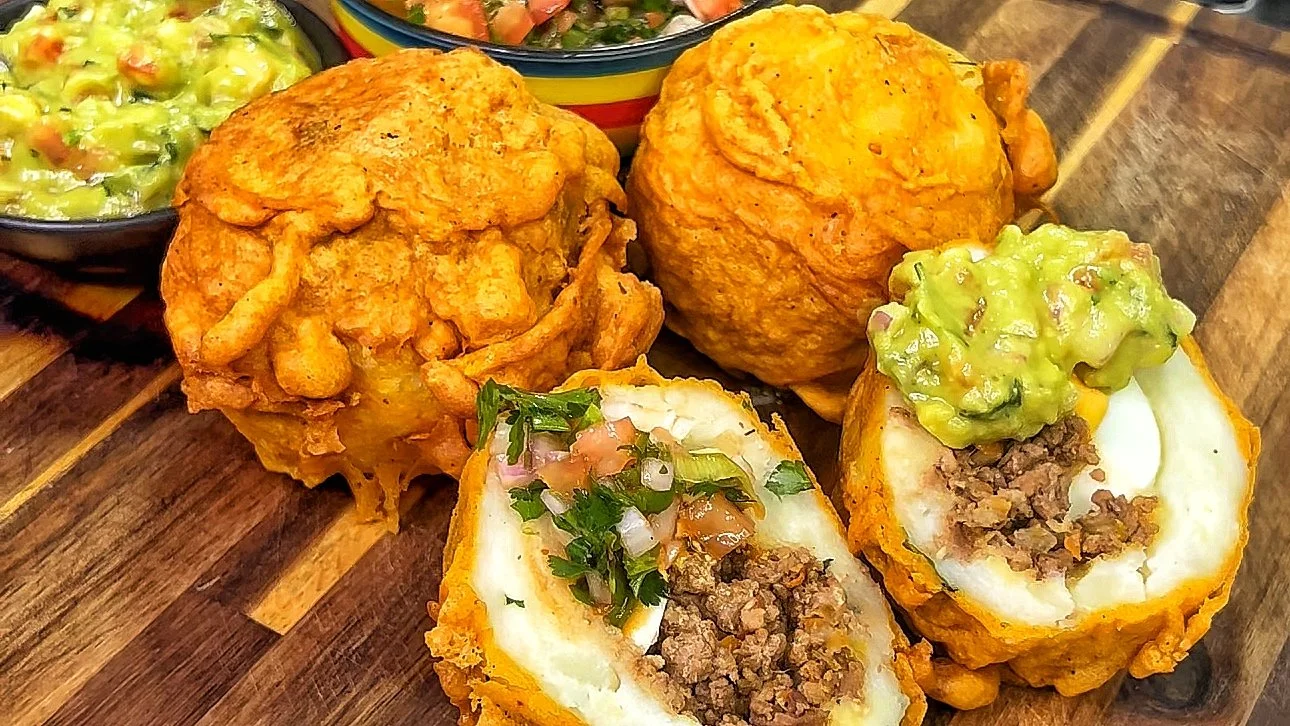
Fried potato stuffed with meat and vegetables.
15. Chorizo Santarrosano
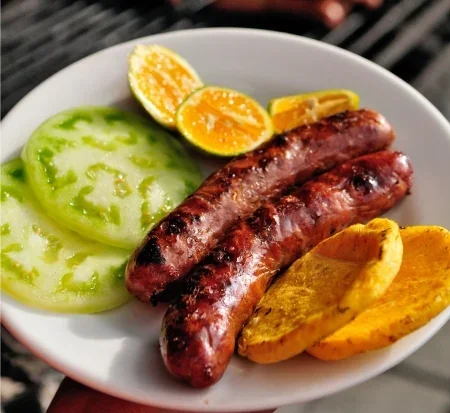
A flavorful sausage from Antioquia.
Often served with arepa.
Colombian Desserts
16. Obleas

Thin wafers filled with:
Arequipe
Jam
Cheese
Condensed milk
17. Arequipe
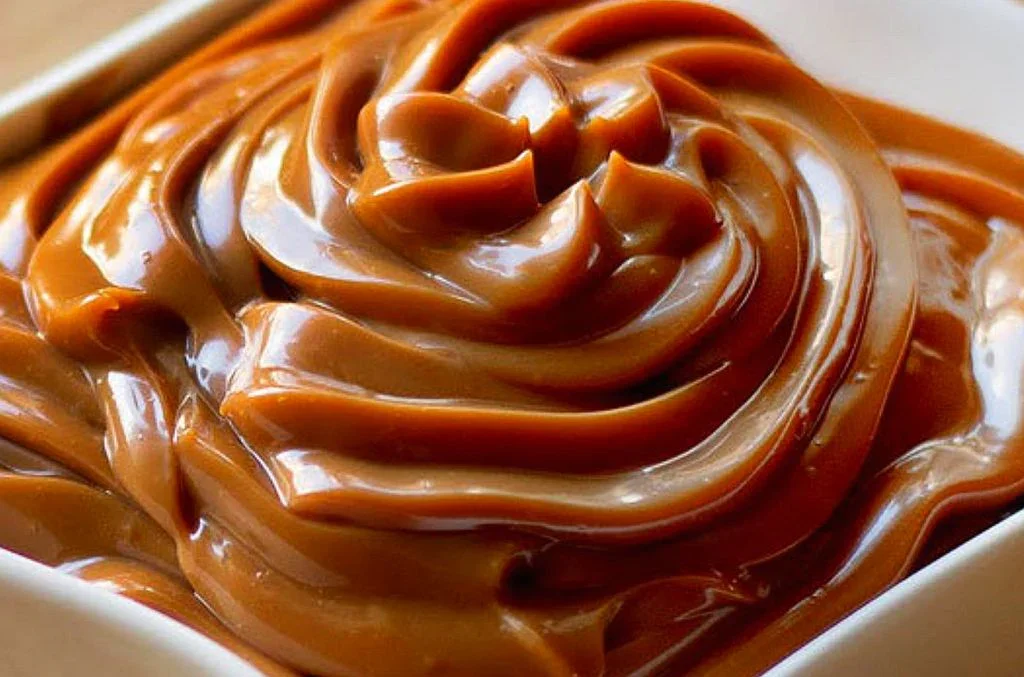
Colombia's version of dulce de leche.
Sweet and creamy.
18. Bocadillo
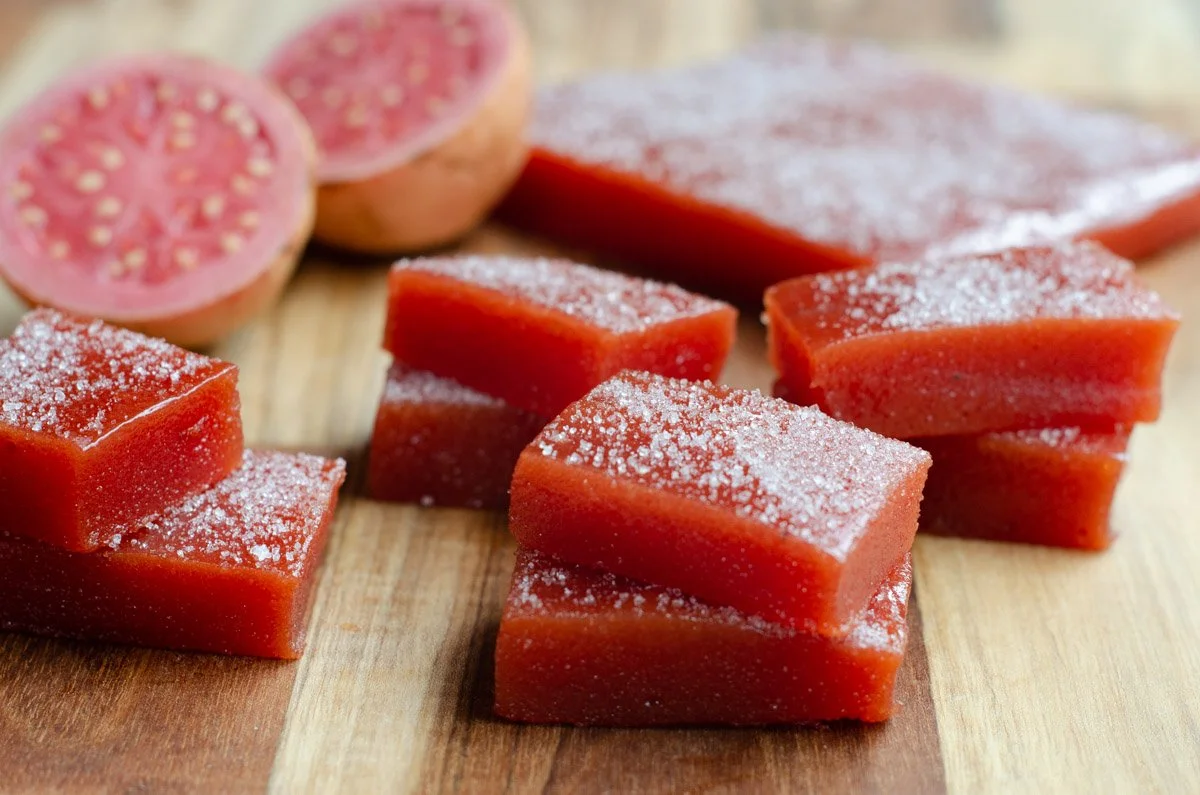
Guava paste often paired with cheese.
Known as "postre de campesino."
Caribbean and Coastal Specialties
19. Cazuela de Mariscos
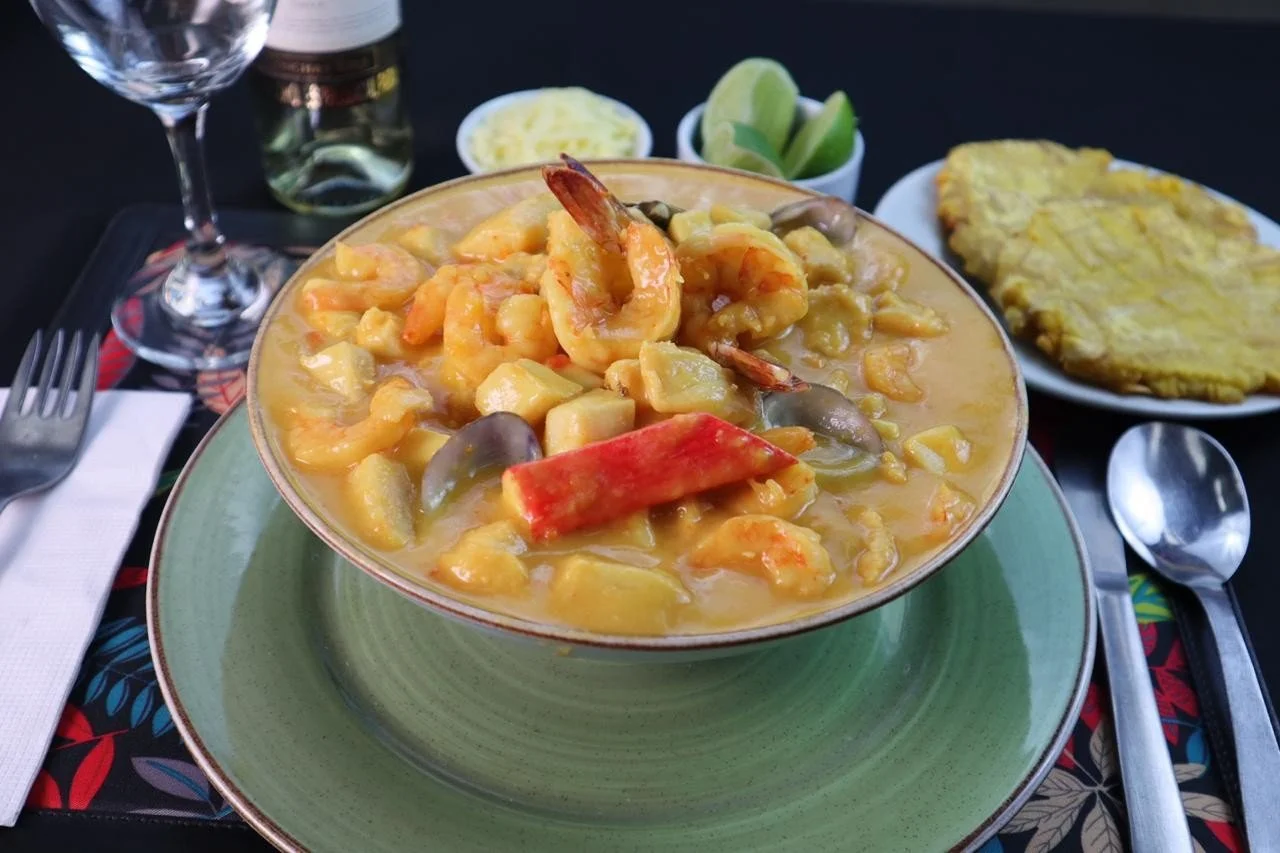
A creamy seafood stew from the Caribbean coast.
20. Arroz con Coco
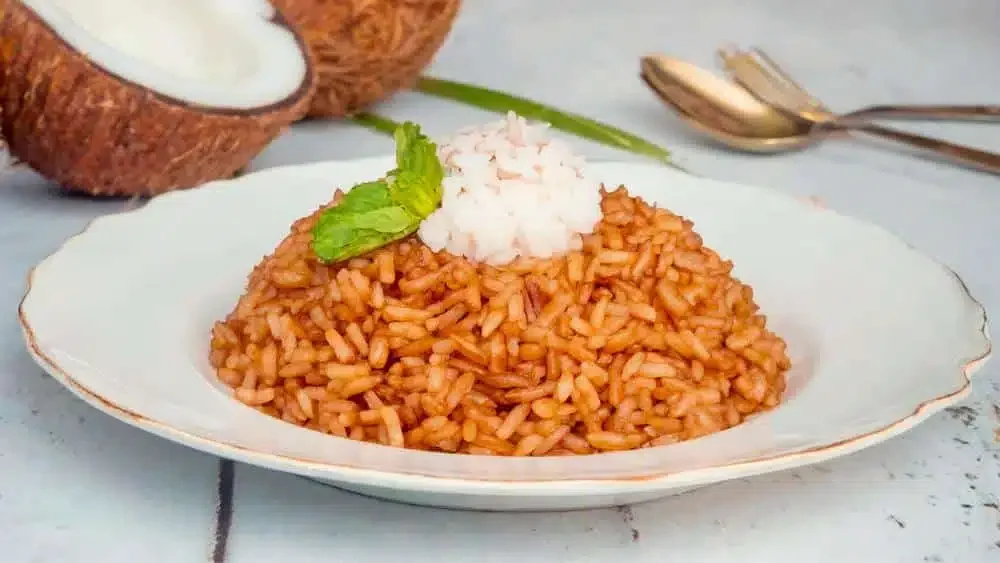
Coconut rice often served with fish.
Especially popular in Cartagena.
Tropical Fruits You Need to Try
One of the most exciting parts of visiting Colombia is discovering fruits you may have never seen before.
21. Lulo
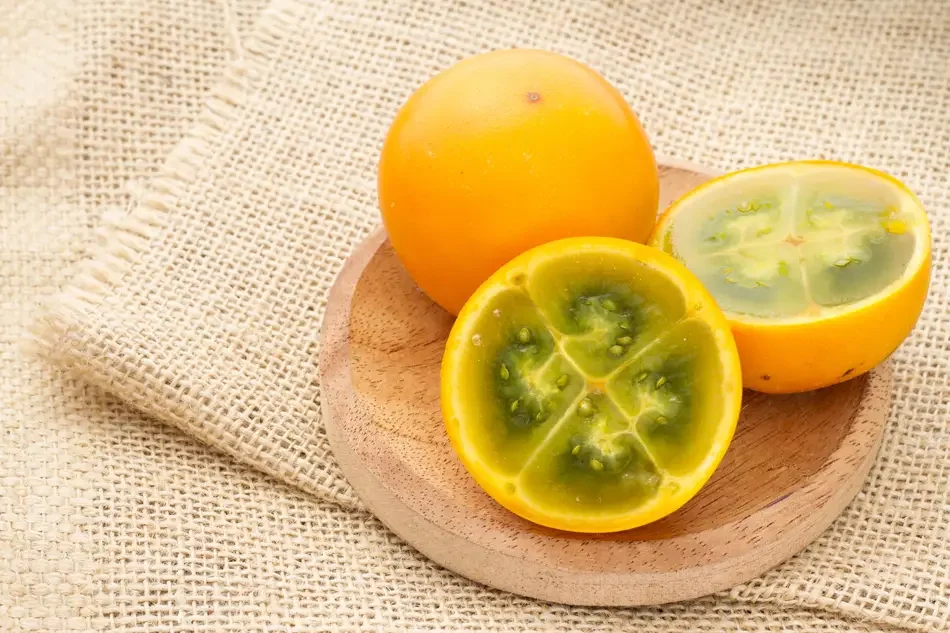
Tangy and refreshing.
Often used in juices.
Spanish word:jugo de lulo
22. Granadilla
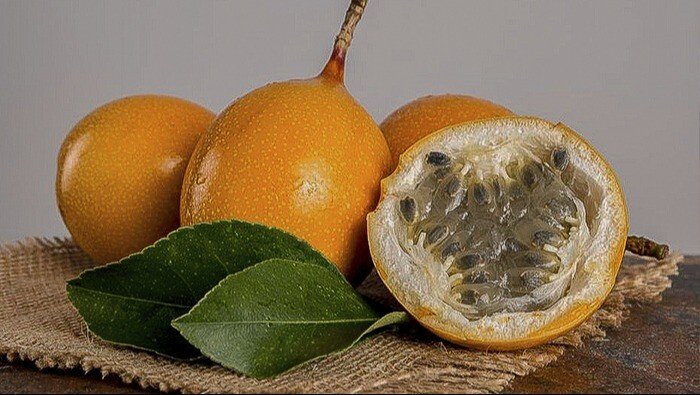
Sweet fruit with edible seeds.
Many travelers describe it as nature's candy.
23. Maracuyá
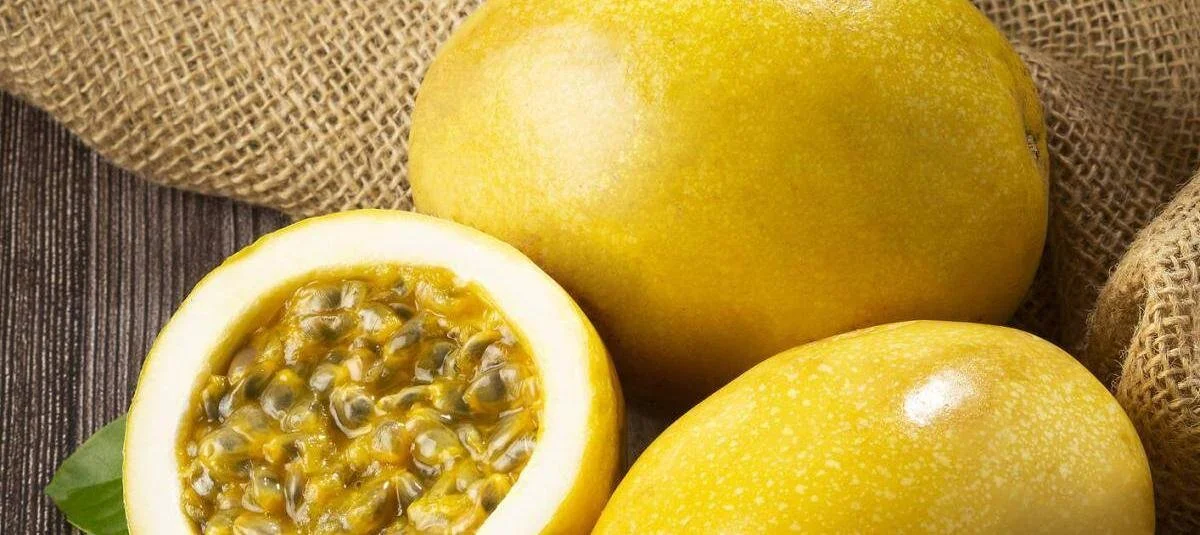
Passion fruit with an intense tropical flavor.
Used in desserts and juices.
24. Guanábana
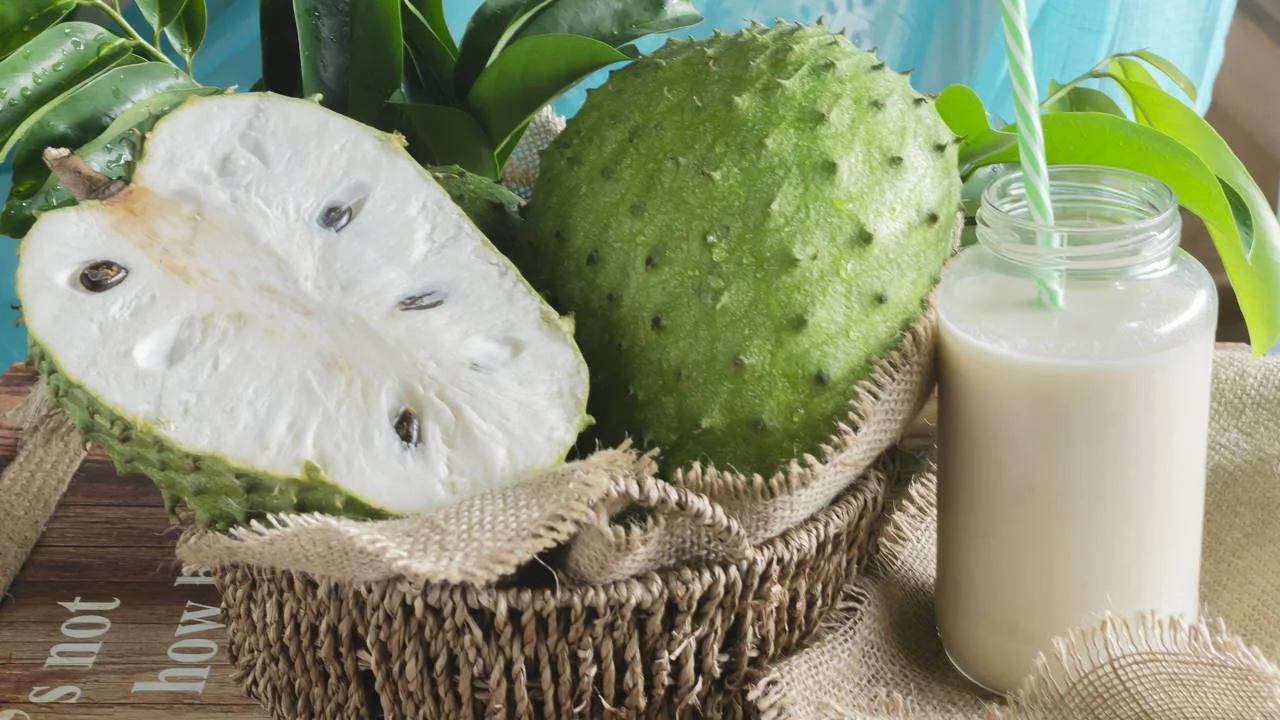
Creamy fruit with a flavor similar to strawberry and pineapple.
Popular in smoothies.
25. Feijoa
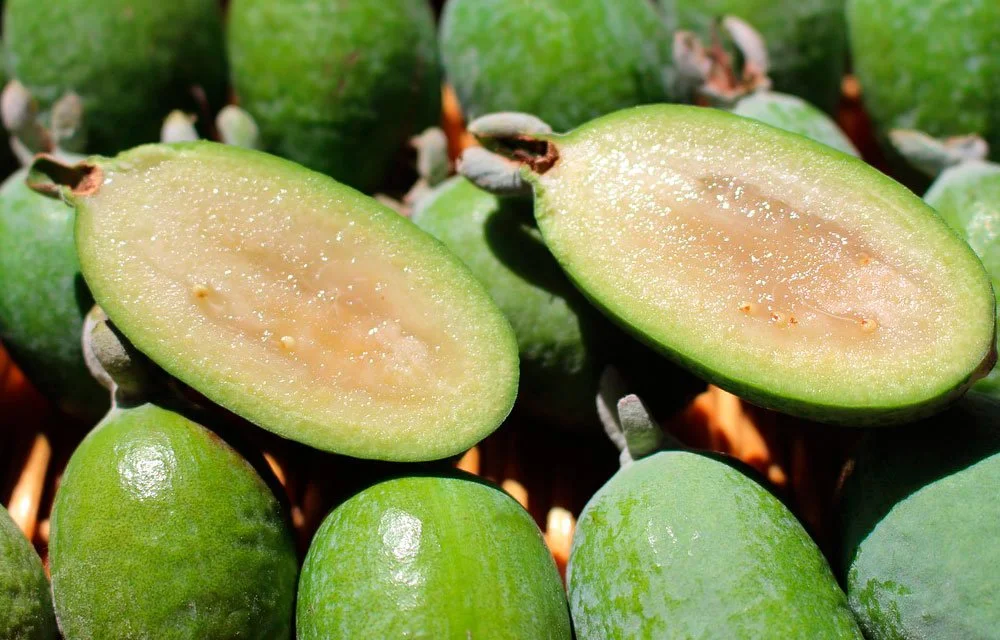
A small fruit with a unique floral taste.
Common in the Andean region.
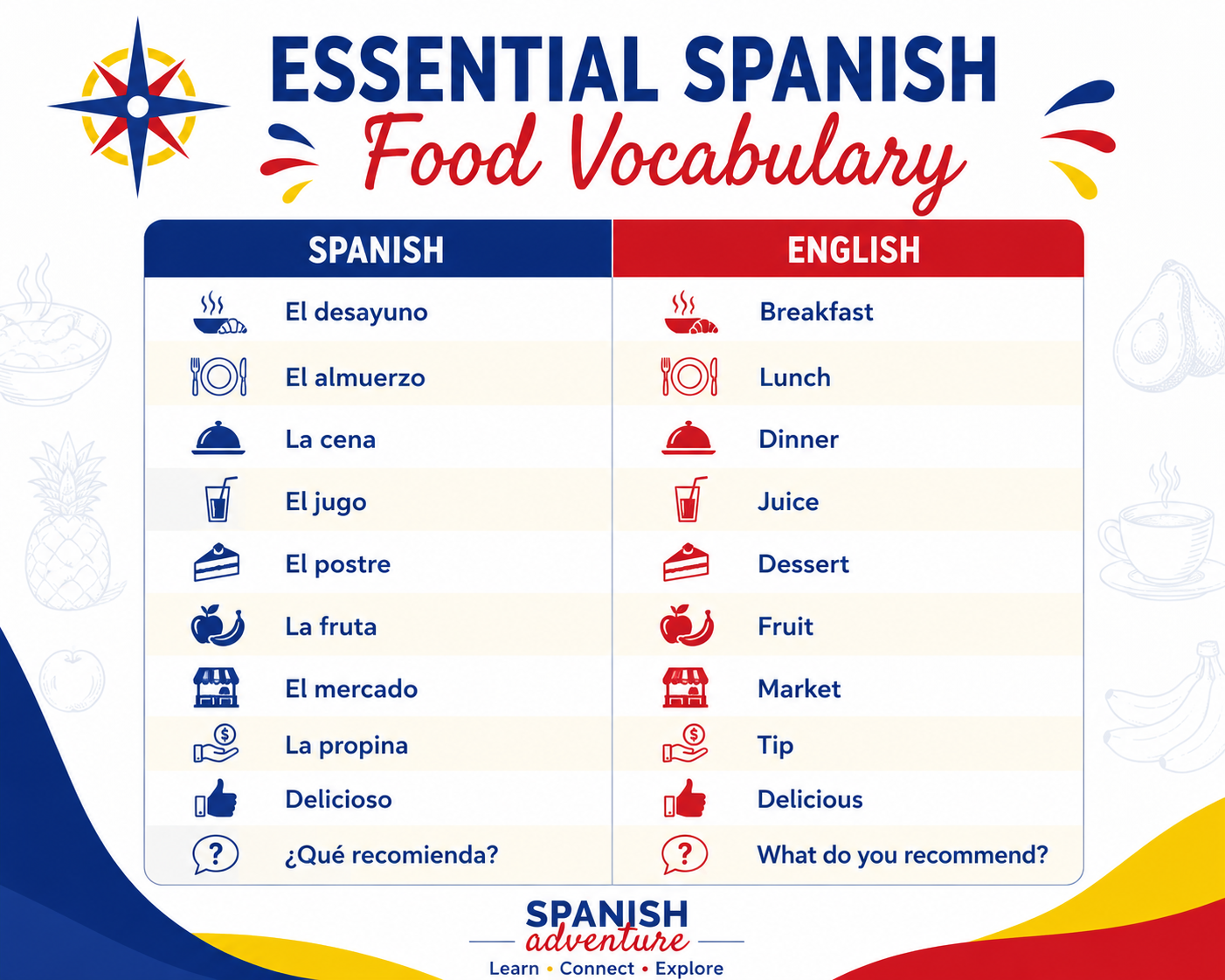
Useful Phrases for Food Lovers
¿Qué plato típico me recomienda?
What traditional dish do you recommend?
¿Este plato es picante?
Is this dish spicy?
Soy vegetariano/a.
I am vegetarian.
¿Tiene opciones veganas?
Do you have vegan options?
Food and Cultural Immersion
Trying local food is one of the easiest ways to practice Spanish and connect with Colombian culture.
At Spanish Adventure, guests and students can enjoy authentic Colombian meals while experiencing life in a small Colombian town.
The school's restaurant offers affordable homemade meals, including vegetarian and vegan options, allowing travelers to explore local flavors while maintaining their dietary preferences.
Combined with Spanish classes, cultural activities, and nature adventures, food becomes another bridge to meaningful cultural immersion.
👉 Learn more here:https://spanishadventure.co
Final Thoughts
Colombian cuisine is as diverse as the country itself.
Whether you're tasting a bandeja paisa in Antioquia, enjoying fresh coconut rice on the Caribbean coast, or trying exotic fruits for the first time, every bite tells a story about Colombia's people, geography, and traditions.
If you truly want to understand Colombia, start with its food.
Because sometimes, the best way to learn a culture is one delicious meal at a time.
-
Colombia is famous for dishes such as Bandeja Paisa, Ajiaco, Sancocho, Arepas, Empanadas, and Lechona. Each region has its own specialties, reflecting the country's incredible cultural and geographical diversity.
-
Many Colombians consider Bandeja Paisa one of the country's most iconic dishes. Originating from Antioquia, it includes beans, rice, ground beef, chicharrón, fried egg, avocado, plantain, chorizo, and arepa.
-
Some must-try foods include:
Bandeja Paisa
Ajiaco
Sancocho
Empanadas
Arepas
Lechona
Tamales
Buñuelos
Pandebono
Coconut rice with fish
Trying these dishes offers a delicious introduction to Colombian culture.
-
Generally, no. Colombian cuisine is usually mild compared to other Latin American countries. However, spicy sauces called ají are often served on the side, allowing you to add heat according to your taste.
-
Yes. While many traditional dishes include meat, vegetarian and vegan options are becoming increasingly common, especially in tourist destinations. Fresh fruits, vegetable soups, rice dishes, beans, salads, and plantain-based meals are widely available.
-
Some of the most popular Colombian street foods include:
Empanadas
Papa rellena
Arepa de huevo
Buñuelos
Chorizo Santarrosano
Almojábanas
Pandebono
These snacks are affordable, delicious, and found throughout the country.
-
Colombia is famous for its tropical fruits. Some favorites among travelers include:
Lulo
Maracuyá (passion fruit)
Guanábana
Granadilla
Feijoa
Pitahaya
Curuba
Many visitors discover flavors they have never experienced before.
-
In most cases, yes. Choose busy food stalls with a high turnover of customers and observe basic hygiene practices. Asking locals for recommendations is often the best way to find safe and delicious street food.
-
A traditional Colombian breakfast may include:
Arepas
Eggs
Fresh cheese
Changua (milk and egg soup)
Tamales
Hot chocolate or Colombian coffee
Fresh fruit juice
Breakfast traditions vary by region.
-
Some popular Colombian beverages include:
Fresh fruit juices
Colombian coffee
Aguapanela
Lulada
Salpicón
Hot chocolate with cheese
These drinks provide another way to explore Colombian culinary traditions.
-
Absolutely. Visiting local markets, ordering food in restaurants, taking cooking classes, and talking with vendors provide excellent opportunities to practice Spanish in real-life situations while connecting with local culture.
-
Spanish Adventure in San Carlos, Antioquia, offers students and guests the opportunity to enjoy homemade Colombian meals as part of their cultural immersion experience. The school's restaurant serves affordable local dishes and also provides vegetarian and vegan options.
By combining authentic food experiences with Spanish classes, cultural activities, and nature adventures, travelers gain a deeper understanding of Colombian life beyond traditional tourism. It is a unique way to learn Spanish while discovering the flavors and traditions that make Colombia so special.
